
Tag: Court
-
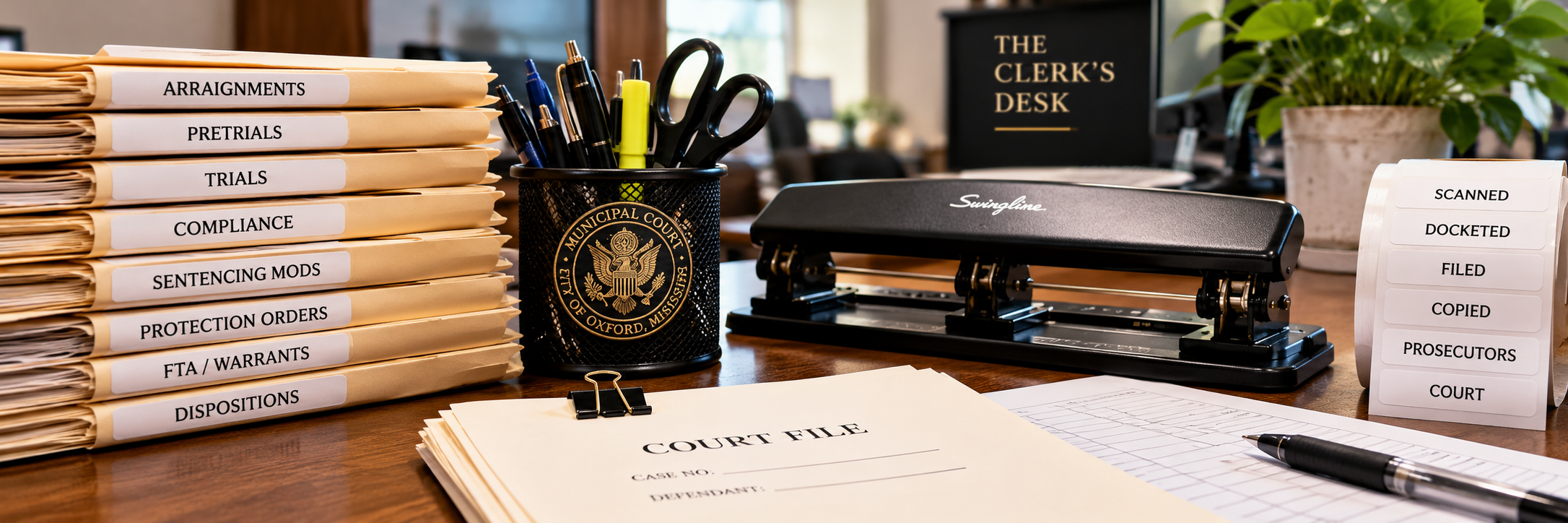
What Does It Mean for a Document to Be Properly Docketed?
A document is not considered properly docketed simply because it has been received or scanned. Proper docketing involves several steps that ensure the document can be easily identified, located, and understood by anyone who may need to access the case in the future. To be properly docketed, a document should: 1. Be file-stamped to show…
-

Learn the Full Circle: Why Good Clerks Think Beyond the Task
When I first started working in Circuit Court in 2011, I had absolutely no legal experience. None. The person I was replacing was preparing to retire within about 45 to 60 days of my starting, and during that time she was only working part time. I also happened to start during a term of court.…
-

Administrative Triage in the Clerk’s Office
There are times in court administration when the workload does not stop just because you are out of the office. Conferences, training, budget meetings, holidays, and even vacation days do not pause incoming emails, attorney requests, records requests, continuance requests, phone calls, filings, or operational responsibilities. In many clerk’s offices, the work simply piles up…
-

Fix It Before Next Week: How We Reduced Court Day Confusion
Court day confusion usually is not caused by one major failure. Most of the time, it comes from dozens of small things that were never corrected: At some point, we realized we could not continue “working harder” every Wednesday and expect things to magically improve. We had to start building systems. That does not mean…
-
Ethics in Everyday Court Work: Doing It the Right Way
Court ethics is not always one big dramatic moment. Most of the time, ethics in the clerk’s office shows up in the small decisions we make all day long: For court clerks, ethics is practical. It is not just something written in a policy manual. It is the way we protect the process, preserve public…
-

Useful Organizational Tools for the Clerk’s Office
There are a lot of organizational apps and project-tracking platforms available now, and while many of them are marketed toward large businesses or technology companies, several can actually be very useful in a municipal court environment as well. This article is simply meant to share practical tools and ideas that may help another clerk or…
-
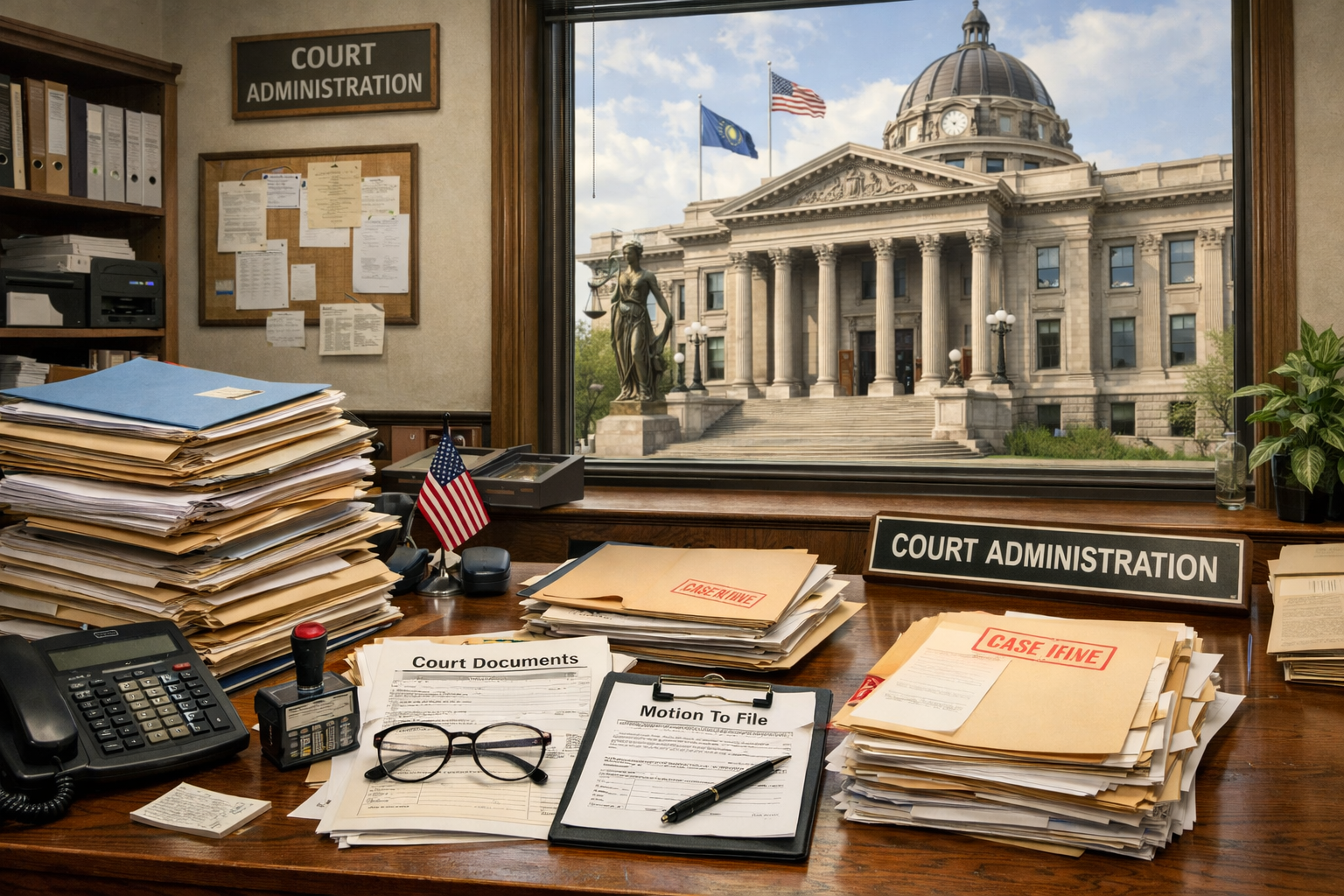
Court Administration: The Work Behind the Work
Most people associate the court with what happens on court day—cases being called, orders being signed, and fines being paid. What is less visible is the administrative side of the court, where much of the real work takes place long before and long after anyone steps into a courtroom. Court administration is not a day-to-day…
-

10 Thing Every Court Clerk Should Do/Know
These points may seem simple, but most issues in a clerk’s office come back to one of these areas. 1. Learn Your Court’s Workflow First Understand how a case moves from start to finish in your court—not just in theory.If you don’t understand the flow, you will always feel behind. 2. Docket Everything — Every…
-
Law Enforcement: Trial Preparation and Court Expectations
Trial is where everything comes together. What happens—or doesn’t happen—leading up to trial can directly impact whether a case moves forward or is dismissed. This is a practical overview of what officers should know when a case is set for trial in municipal court. Subpoenas A subpoena is not a request—it is a court order.…
-

Stop Waiting on “The Right Time” to Fix What’s Not Working
There’s a pattern most of us fall into at some point in this job. We see something that isn’t working. We know there’s probably a better way. But we don’t move on it. Not because we don’t care—but because it feels like it’s going to be a process. Too many steps. Too many people involved.…
-
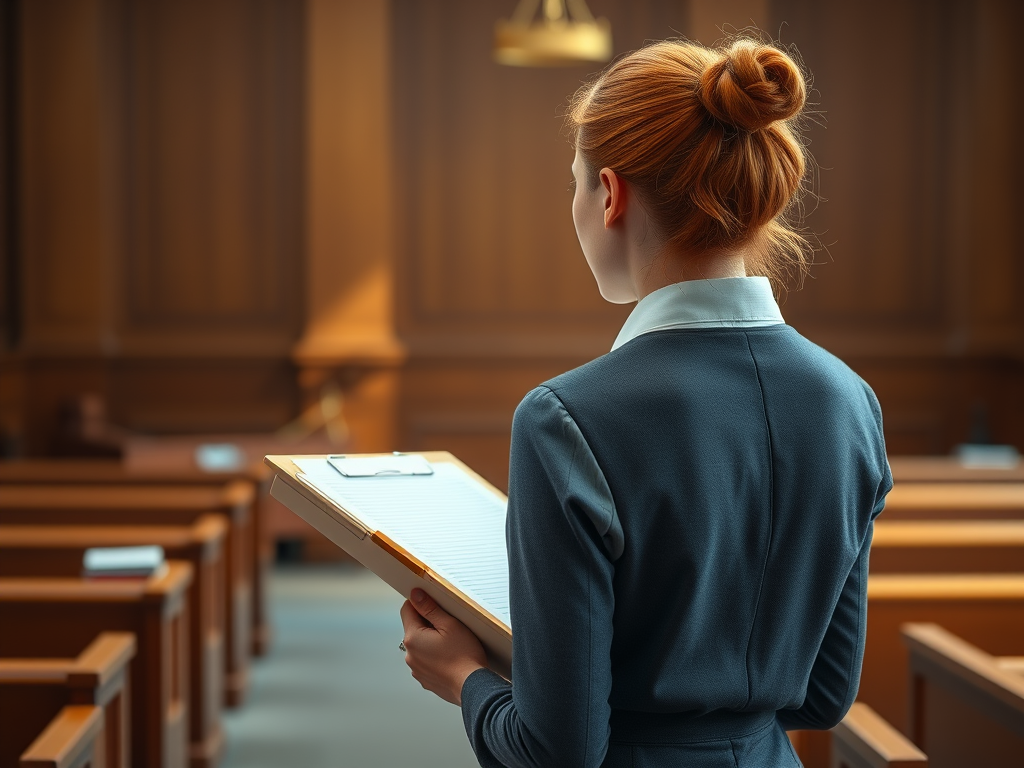
What Every Clerk Should Check Before Court Starts
Before court begins, there are a few key things that should always be verified. Taking a few minutes to check these items can prevent confusion, delays, and unnecessary stress once court is in session. Quick Pre-Court Checklist Before court starts, make sure: Why This Matters Once court begins, things move quickly. If something is missing…
-

Court Doesn’t Run on Its Own: The Prep No One Sees
People see court day. They see the judge on the bench, attorneys at the tables, defendants waiting, and cases moving through the docket. What they don’t see is everything that happens before that. Court doesn’t run on its own. It Starts Long Before Court Day In our office, we start preparing for the next court…