

Expungements allow certain criminal records to be removed from public access when authorized by statute and ordered by the court. While eligibility is determined by the judge and applicable law, the clerk’s office is responsible for processing the petition, entering the order, and notifying the appropriate agencies.
The outline below describes a typical workflow for processing an expungement in a municipal court clerk’s office.
Filing the Petition
The process begins when a Petition for Expungement is filed with the court.
At filing, the clerk should:
- File-stamp the petition
- Confirm the petition and proposed order reference the same incident or arrest
Once filed, the petition should be scanned or entered into the court record.
Locating the Case File
After the petition is filed, the clerk should retrieve the original case file associated with the expungement request.
Reviewing abstracts or disposition records related to the case may also be helpful.
Routing for Review and Signature
In many courts, the petition and proposed order are reviewed by the prosecutor before being presented to the judge.
If approved, the judge signs the Order of Expungement, which is then returned to the clerk’s office for processing.
Filing the Expungement Order
After the order is signed:
- File-stamp the Order of Expungement
- Scan or enter the order into the case record
If the order references multiple charges, ensure the order is recorded in each affected case file.
Sealing the Record
Once the order has been filed, the clerk should begin sealing or restricting access to the case.
Depending on the court’s system, this may include:
- Updating the case status to reflect the expungement
- Restricting public access to the record
- Marking the file as expunged
If multiple charges are listed in the order, these steps should be completed for each charge.
Certifying the Order
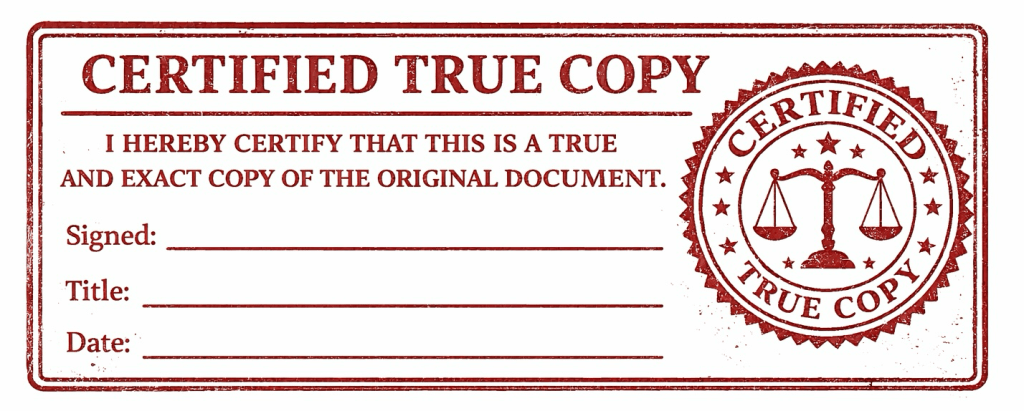
The clerk should prepare certified copies of the expungement order for distribution to appropriate agencies.
This usually involves:
- Printing additional copies of the signed order
- Certifying one copy for each agency receiving the order
Courts often maintain a digital record of processed expungements for internal reference.
Notification of Agencies
Certified copies are typically sent to agencies responsible for maintaining criminal history records. This may include:
- The arresting law enforcement agency
- The detention facility associated with the arrest
- The Mississippi Criminal Information Center (MS CIC)
Providing these agencies with a certified copy allows them to update their records accordingly.
Archiving the Case File
After the expungement has been processed:
- The original expungement order remains in the case file
- The case file may be archived or sent to storage according to the court’s record retention policies
Final Note
Expungement procedures may vary by jurisdiction. Clerks should always follow local court policies and applicable state statutes when processing expungements.
Maintaining a consistent internal process helps ensure expungement orders are handled accurately and that all required agencies are notified in a timely manner.
 The Clerk’s Desk
Leave a comment